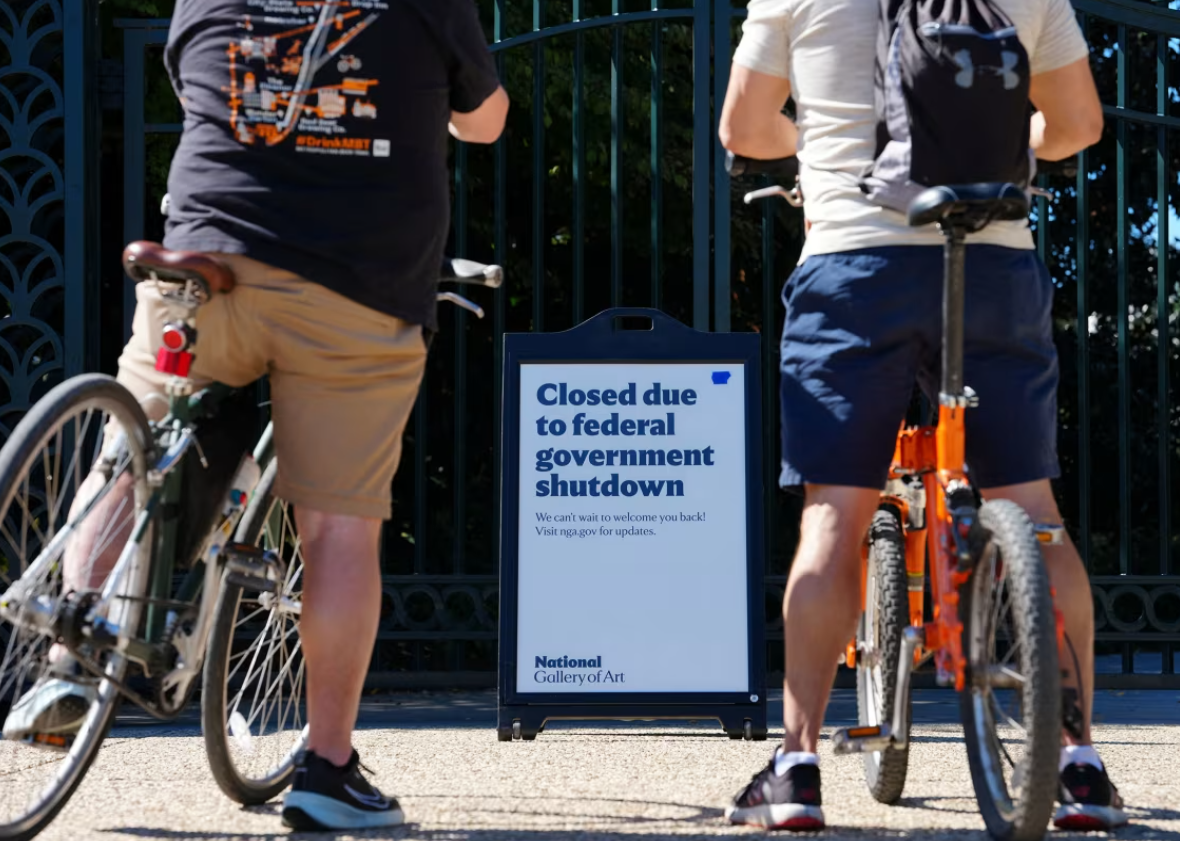
 H.R. 5371 includes "extender" provisions for a one-year farm bill (photo by Aaron Schwartz for Reuters)
Nov 13, 2025
WASHINGTON, DC – Last night, President Donald Trump signed into law the Continuing Appropriations and Extensions Act (H.R. 5371), which, among other things, reopens the federal government, ending the shutdown after 43 days. The 2025 government shutdown marks the longest government shutdown in history, surpassing the partial shutdown of 2018-2019, which lasted 35 days.
While not all federal agencies received a full year of funding under the bill, most are now funded through January 30, 2026. The package included a minibus of three full-year fiscal year 2026 appropriations bills covering the Departments of Agriculture and Veterans Affairs, as well as legislative operations. H.R. 5371 also includes "extender" provisions for authorizing committees that haven't completed work on other bills, mostly through January, such as the Grains Standards Act, and a one-year farm bill extension.
"USA Rice applauds lawmakers for bringing an end to the protracted shutdown and passing a full-year funding bill for USDA so they may serve rice farmers across the country," said USA Rice Vice President of Government Affairs Jake Westlin. "Additionally, we are grateful key extender provisions related to the Farm Bill and Grains Standards Act were included to provide certainty around those program areas."
Included in the agriculture appropriations division of the bill was language that USA Rice advocated for related to how the USDA loan rate factor represented by broken rice is calculated, which has diverged in recent years from the USDA-published rice loan factors for broken vs. head rice. The language in the bill will revise the existing USDA formula to make it more responsive to market conditions. These changes are set to start in the 2026/2027 crop year.
In practical terms, the full-year appropriations and the extension of farm bill programs not renewed under the One Big Beautiful Bill (OB3) Act allow for the resumption of USDA activities and provide certainty for the next year. UDSA will be able to continue implementing key reforms from OB3, Supplemental Disaster Relief Program Stage 2, trade promotion programming, and a potential trade aid package.