
January 14, 2026
Whole, White, or Wild: Which Rice is Right for You?
Rice is as diverse as the dishes it is served in. Whether it is the wholesome taste of brown rice, the comforting fluff of white rice, or the nuttiness of wild rice, there is a U.S.-grown variety to meet your needs. Let’s break down what makes each type unique.
Rice Types
What makes one type of rice different from another? The answer comes down to two key details: milling degree and grain length.
- Milling degree – Rice can be classified as rough rice (rice as it is harvested direct from the field in the husk), whole grain rice (the husk removed), or white rice (with the bran layer removed).
- Grain Length – Long, medium, or short. Length (starch content) typically determines texture and cooking attributes. Most long grain varieties cook up light and separate, while shorter grains cook softer and stickier.
Whole Grain
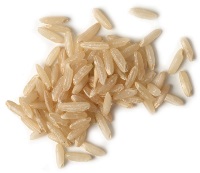
Every grain begins its life as a whole grain. Straight from the field, rice is called rough rice, which means the rice grain is still incased in the indigestible husk that surrounds the kernel. This outer husk is inedible, so the grains are milled to remove the outer casing, and this creates whole grain rice.
As a whole grain, the entire seed of the plant remains intake, including the bran, the germ, and the endosperm. The bran is rich in antioxidants, B vitamins, and fiber; the germ, which is the “embryo” of the grain, contains protein and healthy fats. Long grain brown rice is the most common whole grain rice, but all rice (like red, black, or jasmine) can be a whole grain if the milling process stops after this stage. It has a slightly nutty flavor, shorter shelf life, chewier texture, and a longer cook time than white rice, but provides powerful nutritional health benefits.
U.S. farmers continue to expand the availability of whole grain rice to meet consumer demands for the nutritious grain. Brown rice can even be found on menus, in schools, and at homes across the country now thanks to investments in nutrition and farm-to-school programs.
White Rice
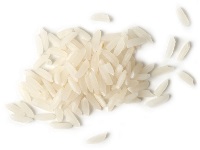
When whole grain brown rice is further milled to remove the bran and germ layers, white rice is what remains. White rice is what most people think of when they think of rice, but it is a kitchen classic for a reason. Once the bran and germ are removed, the grain is softer, milder, and faster cooking making it a perfect stable for busy households.
U.S.-grown white rice is also typically enriched to make up for the nutrients lost when milling brown rice to white rice which helps support overall health and energy. From sushi in California to gumbo in Louisiana, white rice stars in countless dishes across the country.
Grain Length
This versatile grain is the perfect partner to any dish, and while there is not a perfect one-rice grain-fits-all when it comes to cooking, rice can be further categorized into three basic groups based on grain size: long, medium, or short.
Long grain rice is lighter and fluffier than the shorter varieties and tends to remain more separated when cooked. More than 70% of rice grown in the U.S. is long grain rice, and they pair best with dishes like pilafs, stir-fries, soups, salads, and most Southern favorites.
Medium grain rice has a shorter, wider kernel than long grain rice. When cooked the grains are moist and tender with a tendency to cling together. Medium grain is ideal for dishes with a creamy consistency like paella or risotto, as well as Asian dishes and confections, and snacks. In the U.S., Calrose is the best-known medium grain variety.
Short grain rice has a short, plump, almost round kernel. Cooked grains are soft and stickier than other varieties with a slight springiness to the bite. Similar to medium grain, short grain rice is ideal for dishes with creamy consistency, sweet, and Asian dishes.
Wild Rice
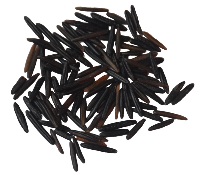
Did you know that wild rice is technically not rice at all? It is the seed of a semi-aquatic grass known as Zizania aquatica that is native to North America. It naturally grows in lakes, tidal rivers, and bays and has been consumed for centuries. Commercial production primarily occurs in California and Minnesota.
How to Choose
Every rice type brings something special and unique to every meal.
- Want something fluffy, fast, familiar, and filling? Go for U.S.-grown white rice!
- Craving hearty and healthy? Try brown rice or another whole grain rice variety!
- Feeling adventurous? Mix some wild rice into your dish!
Experiment with different varieties and discover how each brings out new textures, aromas, and flavors in the kitchen. Feel free to use documents like our Guide to U.S.-grown rice as a guide but learn what makes each dish sing the right tune your way!
Whichever grain you choose, choosing U.S.-grown rice means supporting local farmers, reliable quality, and sustainable farming. From the valleys of California to the Arkansas fields to the shores of Louisiana, American farmers are growing more than just food. They are growing communities and connections.