-
 Canada
Canada shares the world’s longest international border with the United States and is a top market for U.S. rice. Canada does not produce any rice. It grows wild rice, which is not a true rice, but the seed of an aquatic grass. The majority of rice on store shelves that is consumed in Canada is grown in the U.S. Essentially, U.S.-grown rice is as local as it gets for Canadians.
-
Central America
-
 China
China
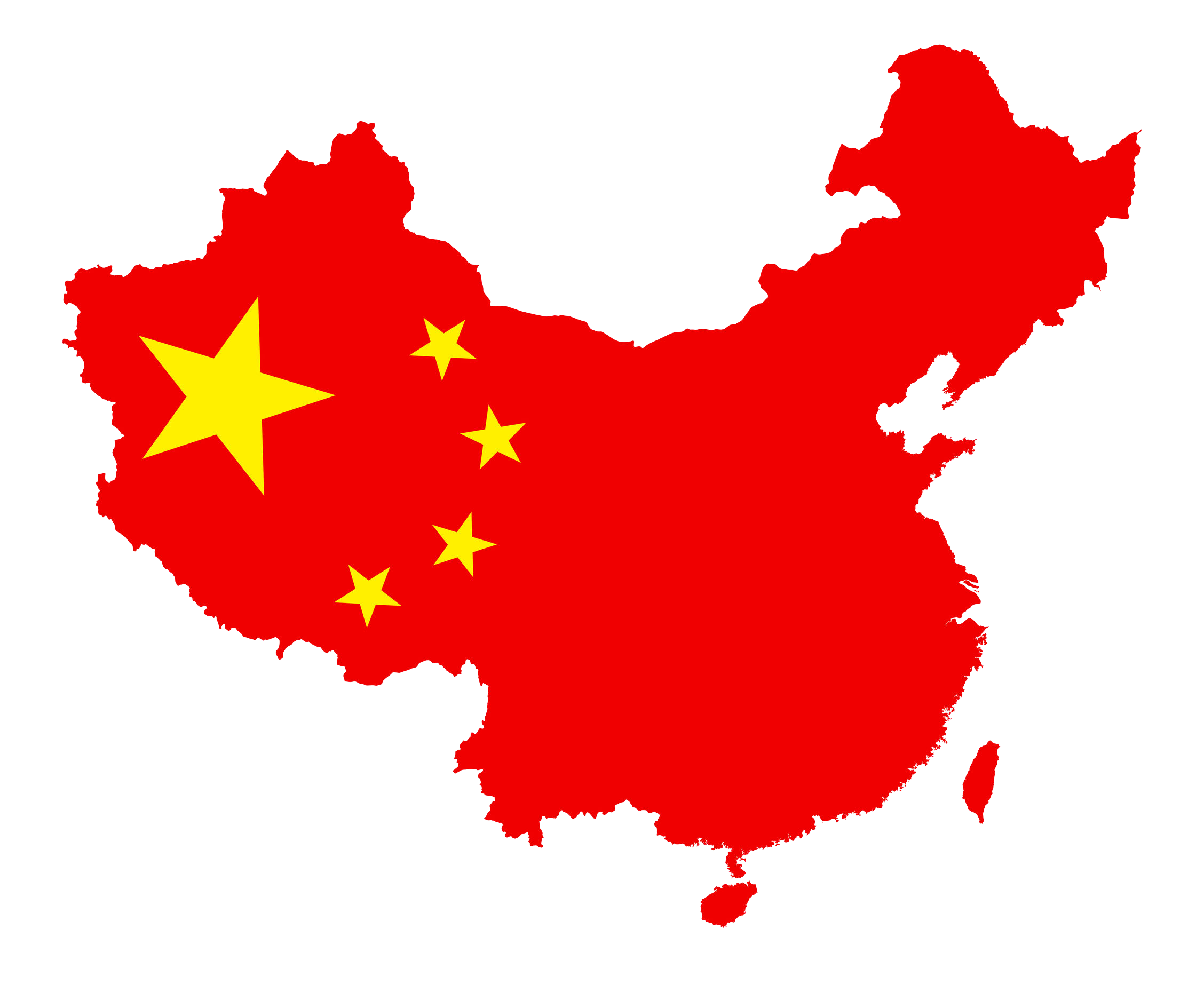
“Have you eaten rice yet?” is a common Chinese expression used as a way to say hello. Per capita rice consumption in China is estimated at 221 pounds per year, nearly 10 times U.S. per capita consumption and one of the highest in the world. China is the largest importer of rice, bringing in over 5 million tons annually. The U.S. rice industry has been working for over a decade to gain access to the Chinese market and while progress has been made, we are not yet to the finish line.
-
 Colombia
Rice is a staple in Colombia whose 50 million people have a high domestic consumption level of more than 1.6 million tons per year. Traditional dishes such as Bandeja Paisa (white rice, red beans, ground beef, plantain, sausage, fried pork skin, corn patty, avocado, and a fried egg) can be found on the table year-round.
-
 Cuba
Cuba
Cuba is a small Caribbean island 93 miles south of Key West, Florida with a population of over 11 million. Once the number one export market for U.S. rice, exports evaporated when the U.S. imposed an embargo against Cuba. Given their large consumption of rice at 190 lbs per capita annually, Cuba remains a large consumer of rice and will be a top market for U.S. rice once again.
-
Ghana
-
 Haiti
Haiti
Haiti is a beautiful mountainous country that makes up the Western third of the island once known as Hispaniola, sharing a border with the Dominican Republic. Haitians prefer to eat rice on a daily basis, consuming about 115 lbs annually per capita.
-
 Hong Kong
Hong Kong produces no rice yet eats nearly 100 pounds per capita annually and thus is dependent upon imports. Hong Kong is a truly open market (like the U.S.!) with no quantitative or qualitative restrictions and no tariffs on imported rice.
-
Iraq
-
 Japan
Japan
Japan is the United States’ second largest milled rice export market in terms of volume and first in terms of value. Many rice farmers in California grow varieties such as Koshihikari, Akitakomachi or sweet rice specifically for the Japanese market though the majority of imports are Calrose. Japan has recently subsidized super premium quality rice and rice for feed use for domestic Japanese farmers, resulting in an insufficient supply of reasonably priced rice favored by the foodservice industry. This provides a large opportunity for imported rice, such as U.S. rice.
-
 Jordan
Jordan is the largest single Arab market for U.S. medium grain rice exports and continues to be a growth market. Jordan is one of the four driest countries in the world, making the country heavily reliant on food imports including rice. Rice is a staple and the average yearly consumption is estimated at 53 lbs. per capita, yet the country produces no rice. The most popular national dish, mansaff, uses U.S. medium grain rice.
-
 Mexico
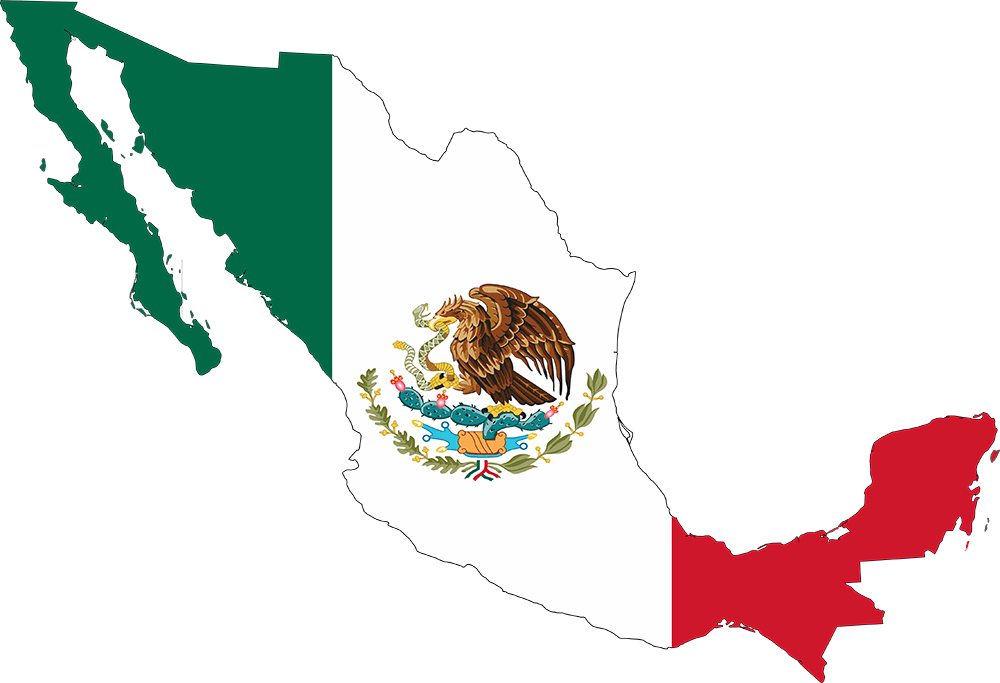
Mexico is the largest export market for U.S. rice and has been for years. In 1994 they entered into the North American Free Trade Agreement with Canada and the United States. Since then Mexico’s economy has grown exponentially. The country currently manages a $2.4 trillion economy, which is 11th largest in the world. Mexico’s population of nearly 125 million people is a critical component of U.S. trade.
-
 Saudi Arabia
Rice is the main dish in Saudi Arabia and is usually served twice daily. Saudi Arabia is the Middle East’s second largest importer of long grain rice; they do not produce rice and thus depend entirely on imports. Rice is imported freely by private companies, with zero import duty and no import subsidies.
-
Singapore
-
 South Korea
South Korea is a country of 51 million and is the second largest market for U.S. rice in Asia. Per capita consumption is estimated at 136 pounds per year but is declining. South Korea imported 152,000 MT of U.S. rice in 2017.
-
 Taiwan
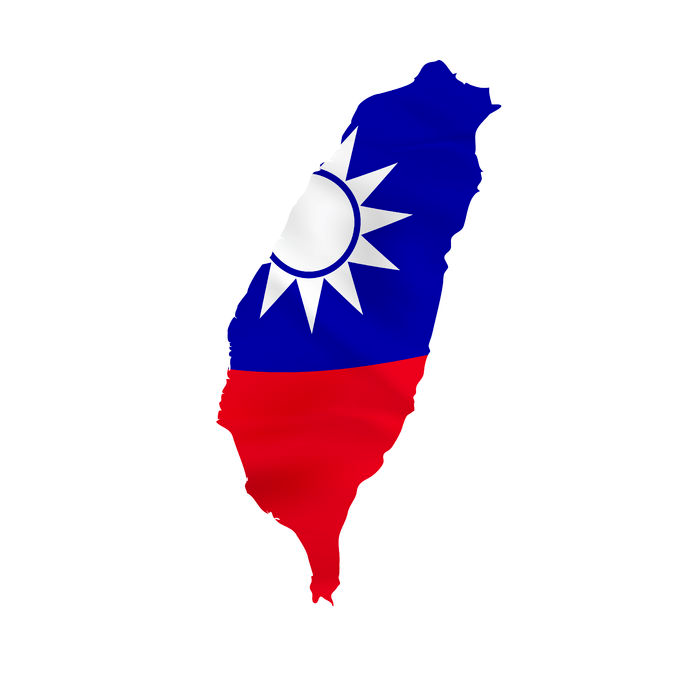
Taiwan has a population of 23.5 million and per capita rice consumption is estimated at 97.9 pounds per year. The U.S. is the largest rice supplier to Taiwan, accounting for about half of their imports. Taiwan has in recent years imported U.S. Calrose, Southern medium grain, long grain and glutinous rice from the U.S.
-
 Turkey
Turkey grows rice; however, it is not enough to satisfy domestic demand which has been increasing over the past several years. Recently, there has been a good deal of uncertainty in the market due to the tense political and economic situation which has led to the rapid depreciation of the Turkish Lira against foreign currencies and an increase in interest rates.
-
 United Kingdom
The United Kingdom is the single largest market for U.S. rice sales in the European Union, mostly importing U.S. long grain rice, as well as some medium grain rice for sushi. In 2017, the UK imported 678,000 MT of rice, with India being the largest single supplier, mostly Basmati rice. The USA is the eighth largest exporter with a 4 percent market share.
-
West Bank